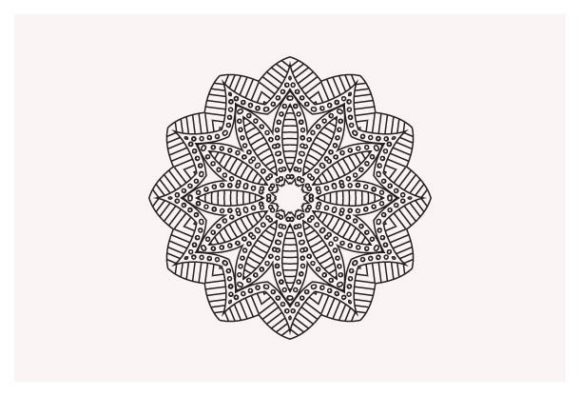
Flower Mandalas Decorative Elements: A Creative Asset Guide
When you need a visual element that communicates balance, complexity, and organic beauty, standard clip art often falls short. This is where Flower Mandalas Decorative Elements enter the conversation. These aren't just simple doodles; they are intricate, symmetrical designs that blend botanical aesthetics with geometric precision. For designers, entrepreneurs, and creators, having a high-quality set of these vector illustrations is like having a secret weapon for branding and editorial work. They serve as a bridge between spiritual symbolism and modern design, offering a versatile tool for projects ranging from Islamic-inspired art to contemporary product packaging.
Visual Characteristics and Stylistic Versatility
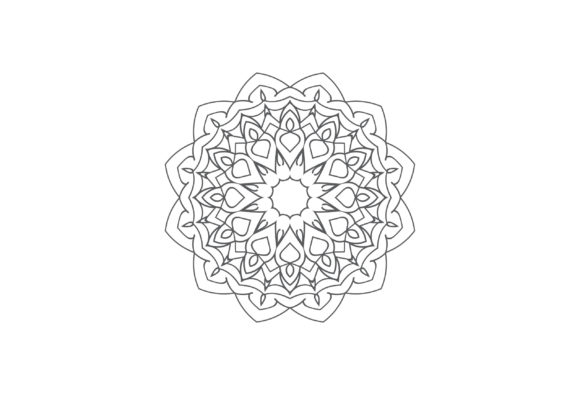
The core appeal of these mandalas lies in their visual personality. They possess a meditative quality—repetitive patterns that draw the eye inward—yet they are sharp enough to hold up in high-resolution print and digital formats. The collection mentioned in the prompt offers a distinct advantage: four different styles. This variety is crucial. You aren't locked into one aesthetic. You might find one style that leans heavily into Islamic geometric patterns with intricate tessellations, while another might adopt a softer, more organic floral approach suitable for wellness branding.
Because the package includes high-quality JPG, PNG, SVG, and AI files, you have complete control over the creative process. The SVG and vector files allow you to scale these elements to the size of a billboard without losing a single pixel of clarity. This makes them an ideal design asset for large-format printing or detailed packaging where crispness is non-negotiable. Conversely, the transparent PNGs are ready for immediate drag-and-drop use in web design or social media graphics, saving you the time-consuming task of clipping paths.
Strategic Applications for Branding and Marketing
For small business owners and marketers, the utility of Flower Mandalas Decorative Elements extends far beyond simple decoration. In brand identity, a mandala can serve as a powerful logo foundation. A simplified version of one of these illustrations can create a memorable icon that suggests harmony and attention to detail—qualities every brand wants to project. When used in logo design, the symmetry of the mandala provides a natural focal point that feels stable and trustworthy.
Consider how these elements function in editorial design. If you are a publisher or blogger working on a feature about mindfulness, culture, or luxury, a full-page mandala watermark or a spot illustration can elevate the layout instantly. It adds a layer of depth that standard stock photos cannot match. For packaging design, particularly in the beauty, wellness, or artisan food industries, these motifs suggest a handcrafted, premium product. Using a mandala as a background texture for a label or a shopping bag creates a tactile experience even in digital mockups.
Print-on-Demand and Commercial Licensing
The licensing of these assets opens up a world of possibilities for the commercial font and design market. If you are a crafter or entrepreneur running a print-on-demand store, these designs are perfect for merchandise. Think about intricate mandala designs on throw pillows, tote bags, or journal covers. Because you have the source files (AI and EPS), you can easily recolor the elements to match seasonal palettes—warm earth tones for autumn or vibrant neons for summer campaigns. This flexibility ensures that your inventory always feels fresh and relevant.
Technical Integration and Design Workflow
Integrating these decorative elements into your workflow is seamless, provided you understand the file types. The Adobe Illustrator (CS10) compatibility is a significant benefit for professionals using industry-standard software. It allows you to ungroup the vector paths, modify specific petal shapes, or combine elements from different styles to create something entirely unique. This is particularly useful for web design, where you might need to animate a specific part of the mandala for a loading screen or a hero section interaction.
However, readability remains paramount. When using these ornate backgrounds behind text, you must ensure proper contrast. A busy mandala can easily swallow a headline if not handled correctly. Use these elements as headers, footers, or page-breaks rather than full backgrounds for body text. If you must overlay text, consider applying a gradient mask or a semi-transparent color block to separate the typeface from the illustration. This maintains the visual hierarchy and ensures your message isn't lost in the decoration.
Coloring Books and Educational Use
The prompt highlights a specific use case: Coloring book pages. This is a booming market for independent creators. The "four different styles" mentioned likely provide varying levels of complexity, which is essential for a successful coloring book. You need intricate designs for adults who want a challenge and simpler, bolder lines for casual hobbyists. By providing these in vector format, you can easily adjust line weights (stroke thickness) to ensure the spaces are large enough for crayons or fine-tipped markers. This adaptability makes the asset kit valuable not just for designers, but for publishers entering the educational and hobbyist markets.
Evaluating Fit for Your Next Project
Before committing to any design asset, evaluate the "voice" of the mandala against your project's goals. Flower Mandalas Decorative Elements generally convey serenity, spirituality, and intricate craftsmanship. If your brand voice is aggressive, minimalist, or strictly utilitarian, these might not be the right fit. However, for projects in hospitality, healthcare, education, or lifestyle sectors, they are a perfect match.
Finally, consider the font pairing strategy. While these are illustrations, they function similarly to display fonts in terms of visual weight. If you place a bold mandala next to a heavy script font, the result may be visually cluttered. Instead, pair these intricate elements with clean sans serif fonts for a modern contrast, or elegant serif fonts for a classic, high-end look. By treating these vector illustrations with the same respect you give your typography, you ensure a cohesive, professional result that resonates with your audience.