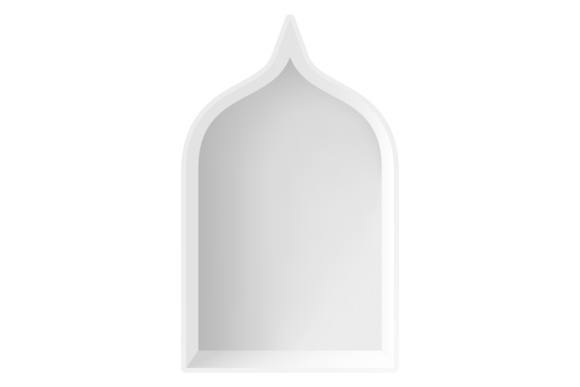
Decorative Arch Window Mockup: White Arabian Facade Elements
The Essence of Arabian Architectural Elegance
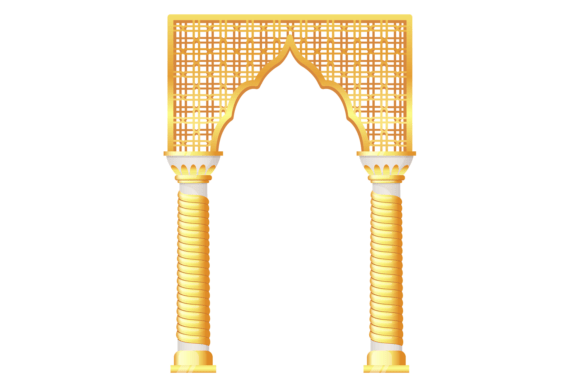
When you first encounter a Decorative Arch Window Mockup, something shifts in how you approach facade design. These aren't just geometric shapes on a screen—they're portals to centuries of architectural tradition, distilled into digital assets you can manipulate, customize, and deploy across countless projects. The White Arabian facade element, isolated on a clean background, carries the weight of Islamic geometric art while maintaining the flexibility modern designers demand.
What makes this particular mockup stand out? The white arabian facade element captures the intricate lattice work, the graceful curvature of pointed arches, and the delicate perforations that define Middle Eastern architectural ornamentation. But here's the practical angle: it arrives isolated, meaning you're not wrestling with unwanted backgrounds or complex extraction processes. Whether you're working in EPS for print production, JPG for quick presentations, SVG for scalable web graphics, or transparent PNG for layered compositions, the asset adapts to your workflow rather than forcing you to adapt to it.
Where This Mockup Actually Works
Let's get specific about applications, because generic advice helps nobody. Decorative arch window mockup assets find their sweet spot in several distinct scenarios that working designers and brand strategists encounter regularly.
Brand identity projects for hospitality businesses, particularly hotels, restaurants, and spas drawing on Middle Eastern or Mediterranean aesthetics. Instead of commissioning custom architectural illustrations from scratch, you can integrate these elements into mood boards, logo explorations, and brand guidelines with remarkable speed. The clean isolation means you're dropping these into presentations without visual clutter competing for attention.
Editorial design benefits enormously from this kind of asset. Magazine features about travel, architecture, interior design, or cultural topics gain immediate visual credibility when the layout incorporates authentic architectural ornamentation. Book covers in the historical fiction or travel writing genres? Same principle. The mockup serves as both decoration and contextual shorthand—it tells readers what kind of content they're about to engage with before they read a single word.
For packaging design, especially in cosmetics, specialty foods, or artisanal products targeting sophisticated markets, these arch elements add a layer of cultural resonance. They work particularly well as background textures, border elements, or focal decorative motifs on labels and boxes. The white-on-white option creates subtle embossing effects that read as premium without trying too hard.
Digital Applications Worth Your Attention
Web designers working on restaurant websites, boutique hotel booking pages, or cultural institution portals will find the SVG format particularly valuable. Scalable vector graphics maintain crispness at any resolution, which matters when your arch window element might appear as a small navigation accent on mobile and a hero background on desktop. The transparent PNG format serves social media graphics beautifully—overlay these elements on photography, use them as framing devices for text, or incorporate them into Instagram story templates that establish consistent visual language.
Social media graphics for brands in the wellness, beauty, or luxury lifestyle space benefit from the sophisticated restraint these elements provide. Rather than relying on stock photography that every competitor also uses, architectural ornamentation offers differentiation through cultural specificity. A single decorative arch element, properly scaled and positioned, can transform an otherwise generic quote graphic into something worth saving and sharing.
Practical Considerations for Real Projects
Before incorporating any decorative arch window mockup into commercial work, evaluate the licensing terms carefully. Most premium design assets come with clear commercial usage rights, but the specifics matter. Can you use the element in a client's logo? On merchandise? In templates you plan to sell? These distinctions affect your project budget and legal exposure, so confirm before committing to a design direction you can't execute.
Test how the white arabian facade element interacts with your existing color palette and typography choices. The white isolation format gives you maximum flexibility—you can recolor, apply textures, blend with backgrounds—but the ornamental density might clash with busy typefaces or competing visual elements. Pair these architectural details with clean sans serif fonts for modern contrast, or lean into the cultural context with elegant serif typefaces that echo the formality of the ornamentation itself.
Resolution matters less than you might think for web applications, but for print production, verify that your EPS files contain sufficient detail for your intended output size. Architectural ornamentation loses its impact when the fine lattice work becomes muddy at print resolution. Request or check for high-resolution specifications before finalizing your design.
Building Visual Consistency Across Touchpoints
The real power of investing in quality architectural mockups emerges when you use them consistently across a brand ecosystem. That decorative arch element appearing on a restaurant's website header, repeated as a subtle watermark on their menu, echoed in their social media templates, and referenced in their physical signage creates brand recognition through visual repetition that feels organic rather than forced.
Think of these elements as part of your broader design assets library rather than one-off solutions. When you build a collection of complementary architectural elements—matching window styles, consistent ornamental density, coordinated isolation formats—you create a system that supports long-term brand development rather than isolated project completion.
The Decorative Arch Window Mockup in its White Arabian variation represents a specific aesthetic choice with broad practical application. It bridges historical architectural tradition and contemporary digital design needs, offering designers, marketers, and brand builders a versatile tool that carries genuine cultural weight while maintaining the technical flexibility modern workflows demand. Whether you're crafting a brand identity, designing editorial layouts, or building a social media presence, these elements provide visual sophistication that stock photography simply cannot match.